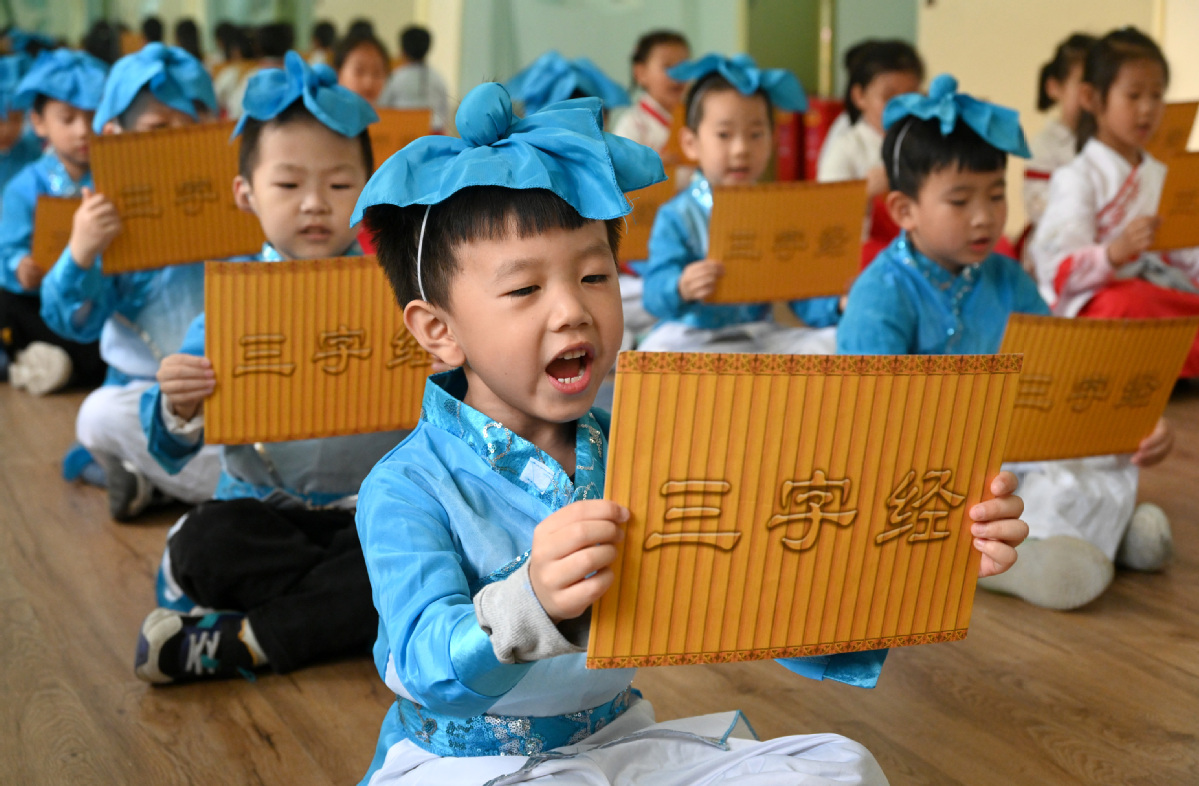
The Three-Character Classic
Introduction
The Three-Character Classic, or San Zi Jing, is a renowned classic Chinese text. It is intended primarily for children and aims to impart Confucian philosophy and moral teachings through its simple and memorable verses. Traditionally used as an educational primer, it is one of the earliest texts many children in China encounter in their studies. The classic is composed of verses that are three characters long, making it both easy to memorize and recite.
Historical Context and Structure
The Three-Character Classic was crafted during the Song Dynasty (960-1279), a period known for its cultural, artistic, and intellectual advancements. The text's compact format was strategic, intended to facilitate memorization and oral transmission. Each line of three characters is designed to convey profound principles succinctly, drawing from a diverse range of Chinese historical, philosophical, and literary sources.
Content and Themes
The content of the Three-Character Classic is divided into multiple sections, each focusing on different aspects of life and knowledge. It begins with the foundational belief in the inherent goodness of human nature, an idea central to Confucian thought, espoused by philosophers like Mencius. From there, it explores a variety of themes:
-
Moral Education: The text emphasizes virtues such as respect, diligence, and filial piety, aligning with Confucian ideals that underscore societal harmony and personal integrity.
-
Historical Lessons: It incorporates historical anecdotes and figures to illustrate its teachings, providing models of virtuous behavior and wisdom.
-
Scientific and Natural Knowledge: The text also touches upon basic astronomical and geographical knowledge, showcasing the breadth of subjects deemed essential for a well-rounded education.
-
Literary Appreciation: The Three-Character Classic introduces children to important Chinese literary works and characters, fostering an early appreciation for the nation’s rich cultural heritage.
Educational Role and Influence
Historically, the Three-Character Classic served as a cornerstone of traditional Chinese education. Its accessibility and breadth made it an ideal tool for inculcating Confucian values and general knowledge in young minds. As a primer, it was often one of the first texts memorized by students, providing a foundation upon which further learning could be built.
Modern Adaptations and Cultural Impact
While the original text remains a respected educational resource, it has been adapted and interpreted in various forms over the centuries. This includes musical adaptations, such as those by composer Gu Jianfen, who has set the verses to music to engage modern audiences and promote cultural heritage among the youth. Such adaptations serve to keep the teachings relevant and accessible, ensuring the enduring legacy of the Three-Character Classic.








